A common question a year or two after buying a steel garage: “can I insulate it?” Usually the trigger is a new use: a workshop that got serious, a home gym idea, a car worth protecting properly. The straight answer: yes, you can retrofit insulation into a steel garage, and for some uses it’s worth doing — but there’s a gap between what a retrofit achieves and what a purpose-built insulated building achieves, and it’s better to understand that gap before spending money, not after.
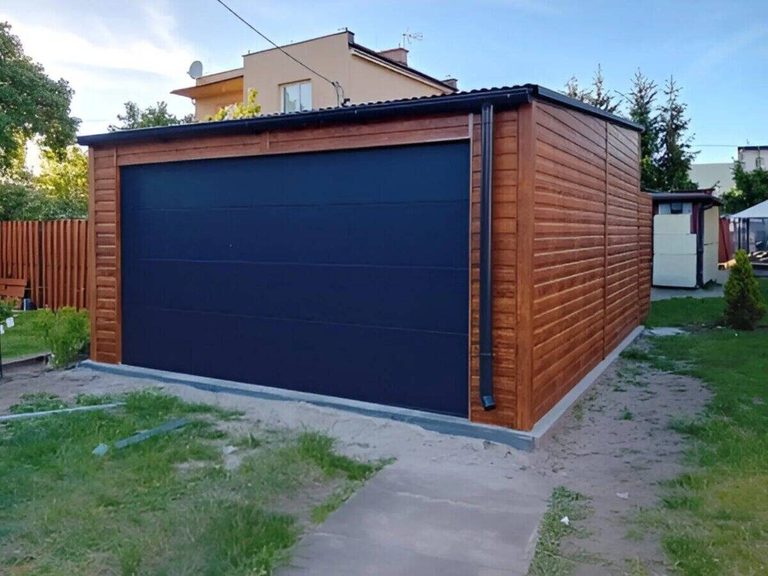
To be clear at the start: a steel garage is the right buy for what it does — secure, dry storage for vehicles, tools and bikes at a price a brick build can’t touch. This isn’t a “you bought wrong” article. It’s a “here’s what each route actually gets you” article.
What retrofit insulation does well
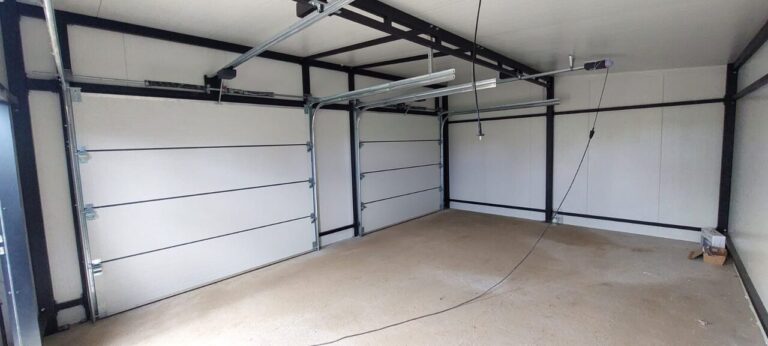
Lining a steel garage — insulation boards or batts between added framing, with a vapour layer and an internal finish — makes a real difference for the right jobs:
- It takes the edge off winter. A lined garage warms up faster with a heater running and holds that warmth better than bare steel. For a weekend workshop session, that can be the difference between usable and miserable.
- It calms condensation on the lined surfaces. Bare steel walls are cold surfaces for moisture to settle on; covering them with insulation and a warm internal skin reduces that markedly (the physics is the same as in any insulated building).
- It softens noise — rain on the roof, the neighbourhood hearing your angle grinder.
For “I want my workshop less freezing on Saturdays,” a sensible retrofit does the job.
Where a retrofit stops
A retrofit adds insulation to a building that wasn’t designed around it, and the seams show:
- Thermal weak points remain. The garage door is the big one: a huge, hard-to-insulate panel in the middle of your thermal envelope (unless you also replace it with an insulated sectional door). Floors, junctions and fixings that pass from outside to inside all leak heat in ways a bonded, factory-insulated panel doesn’t.
- Moisture management gets tricky. Insulating a metal building means managing where warm moist air meets cold steel — get the vapour layer wrong and you can move condensation inside the wall build-up, where you can’t see it. This is the most common DIY retrofit mistake, and the reason we won’t quote performance figures for retrofits: the result depends entirely on execution.
- You lose interior space. Framing plus insulation plus lining costs you real centimetres on every wall — noticeable in a garage sized around a car.
- The economics need real maths. A quality retrofit (materials, an insulated door if you’re serious, and labour if you’re not doing it yourself) adds up quickly. It’s worth pricing properly against what the finished result will actually be: an improved cold building, not a warm one.
What “insulated from the start” means instead
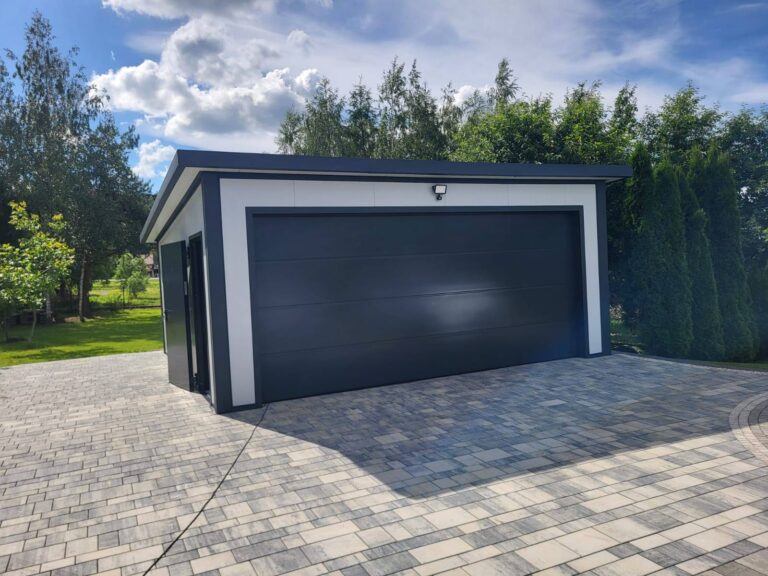
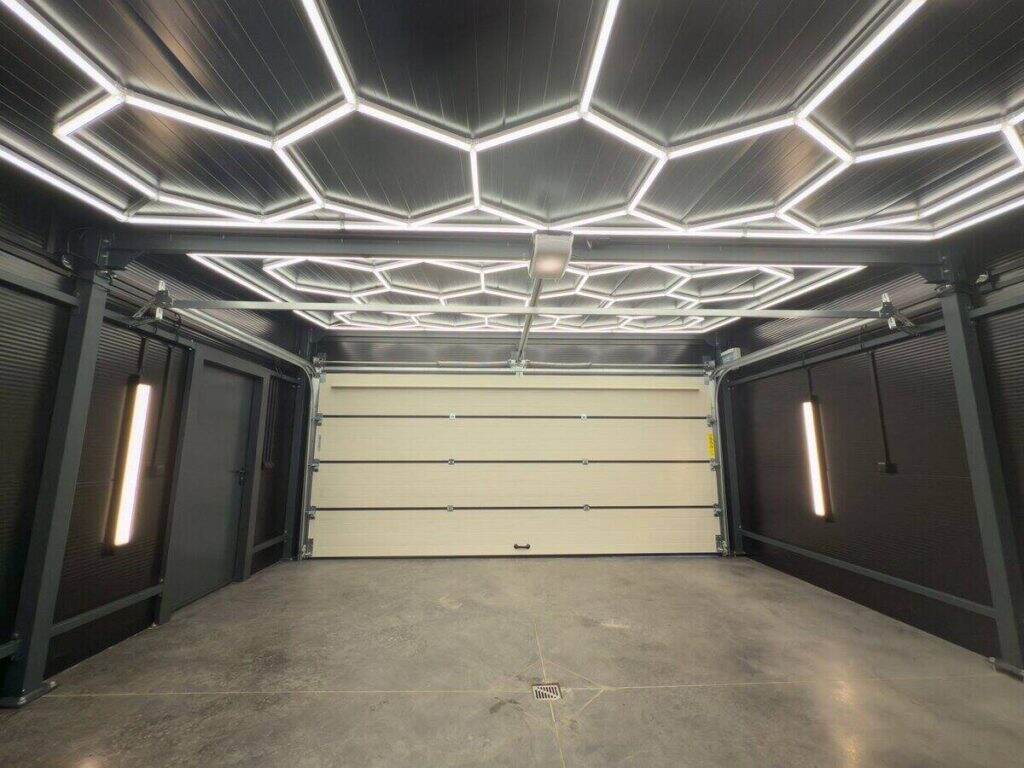
Our Insulated Garages aren’t steel garages with lining added — they’re built as a warm envelope from the ground up: 100mm insulated panels for walls and roof, an insulated sectional door as standard, and junctions designed so the insulation is continuous rather than patched around a frame. That’s a building you can heat economically, use daily through January, and trust with things that hate damp — a proper gym, a serious workshop, a car collection.
The honest comparison, use by use, is in our Steel vs Insulated guide. The short version: the question isn’t which building is better, it’s what the building is for. Storage: steel, without hesitation. A heated space you’ll spend hours in: that’s what the insulated line exists for.
A fair decision framework
Retrofit makes sense when: you already own the steel garage, your use is occasional (weekend workshop, not daily gym), your expectations are “noticeably better,” and you’ll do the vapour detailing properly or pay someone who will.
Buying insulated makes sense when: you’re still choosing your building and know the use involves heating it regularly — or you own a steel garage, the use really has changed, and the retrofit maths (materials + door + labour + lost space, for a compromised result) is approaching the gap to a purpose-built building anyway. Steel garages hold resale value precisely because they’re always in demand for storage.
Retrofit FAQs
Can I insulate a VeltHaven steel garage?
Yes — nothing about the build prevents an interior lining, and the sealed panel construction is a better starting point than a thin flat-pack shed. The doors and junction points remain the limitation, as with any retrofit.
Will insulating my garage stop condensation?
It reduces it substantially on the lined surfaces — but only if the vapour detailing is done correctly. Done badly, it can hide the same moisture inside the wall build-up. If your only problem is condensation (not warmth), better ventilation and dry storage habits are cheaper first steps.
Can I just insulate the roof?
Roof-only lining is the highest-value partial job — it addresses the biggest cold surface and the drip-prone one. It won’t make the building warm, but it’s a sensible minimum for storage uses.
What does VeltHaven recommend?
Simply put: match the building to the use. If you’re pre-purchase and the plan involves heating, buy insulated once rather than retrofitting twice. If you own steel and the use is occasional, a modest retrofit is money well spent. If you own steel and the use has become daily, price the insulated line before committing to a full retrofit — the comparison is closer than most people expect.
If you only remember one thing
You can insulate a steel garage, and for taking the edge off a workshop it’s worth doing. What a retrofit can’t do is turn a storage building into a warm one: the door, junctions and detailing set a ceiling on the result. Decide what the building is for, then buy (or upgrade) accordingly.
Compare both lines on the Steel vs Insulated guide, or price either in the configurator — fixed prices, no quote form. Your deposit is fully refundable until you pay your balance.
Every VeltHaven building is delivered and installed by a UK-registered company (Companies House 17261887), with the VeltHaven 10-Year Structural Warranty (2 years full warranty + structural cover to year 10). Does not affect your statutory rights.